The drivetrain is one of the most important yet often overlooked systems in your vehicle. While the engine generates power, the drivetrain’s job is to deliver that power to your wheels, transforming energy into motion.
It works quietly behind the scenes every time you drive, delivering smooth acceleration and dependable handling. Knowing what is a drivetrain and how it operates can help you maintain it properly, prevent costly repairs, boost performance, and extend the life of your vehicle.
What Is a Drivetrain?
A drivetrain is a system of interconnected components that work together to deliver power from the engine to the wheels. While the engine generates energy, the drivetrain transfers that energy into motion. Think of it as the messenger between the engine’s power and your tires’ grip on the road.
Unlike the powertrain, which includes both the engine and the drivetrain, the drivetrain specifically refers to everything after the engine. Its job is to efficiently transmit torque and speed while adapting to different driving conditions.
Drivetrain Components
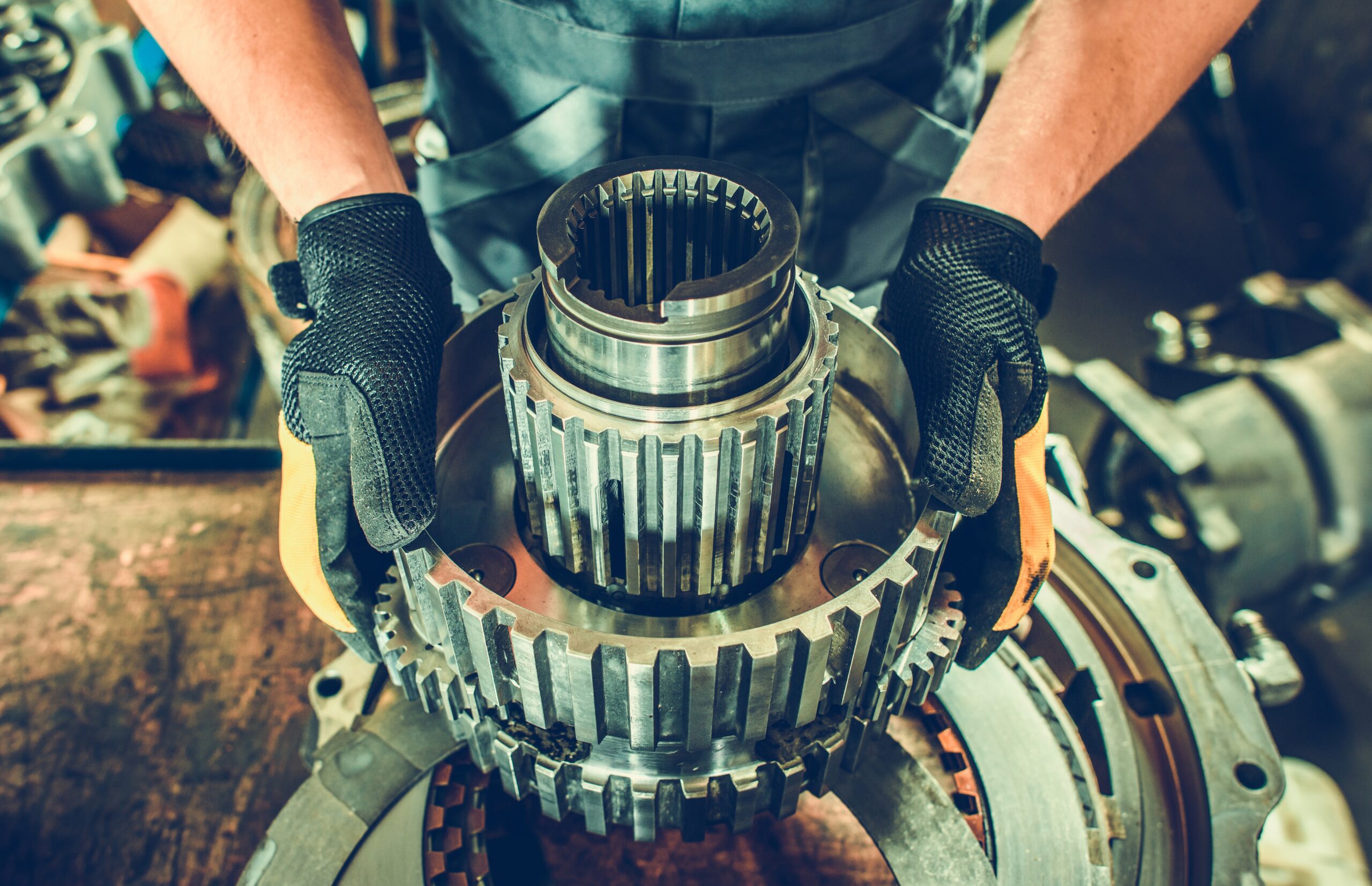
A modern drivetrain is made up of several key components, each playing a specific role in power delivery:
- Transmission – Adjusts the engine’s power to the desired speed and torque for different driving conditions.
- Driveshaft – Transfers torque from the transmission to the differential.
- Differential – Splits power between the wheels, allowing them to rotate at different speeds during turns.
- Axles – Connect the wheels to the differential and deliver torque to them.
- CV Joints (Constant Velocity Joints) – Allow the axle to deliver consistent torque even as the wheels move up, down, and side to side.
When all of these components work together properly, your vehicle runs smoothly, delivers good fuel efficiency, and provides reliable handling.
What Does a Drivetrain Do?
The drivetrain’s main job is simple: transfer power from the engine to the wheels. But it also has several secondary responsibilities that impact your vehicle’s performance:
- Managing Torque – Ensures the right amount of force is delivered for acceleration and hill climbing.
- Maintaining Traction – Works with the differential and sometimes traction control systems to keep the tires gripping the road.
- Adapting to Driving Conditions – Whether you’re cruising on the highway or driving on uneven terrain, the drivetrain adjusts power delivery to match.
Without a properly functioning drivetrain, you might experience reduced acceleration, poor handling, or even a complete loss of mobility.
Types of Drivetrains
Different vehicles use different drivetrain setups depending on performance needs, fuel efficiency goals, and driving environments.
- Front-Wheel Drive (FWD) – Sends power to the front wheels; common in sedans and compact cars for efficiency.
- Rear-Wheel Drive (RWD) – Sends power to the rear wheels; preferred in trucks, sports cars, and performance vehicles for better handling and weight distribution.
- All-Wheel Drive (AWD) – Delivers power to all four wheels; ideal for improved traction in rain, snow, or light off-road conditions.
- Four-Wheel Drive (4WD) – Similar to AWD but designed for off-road use; often includes selectable modes for different terrains.
Each type has its own benefits and maintenance requirements, making it important to know which you have.
Signs of Drivetrain Problems
Like any mechanical system, drivetrains can develop issues over time. Here are some common warning signs:
- Clunking or Clicking Noises – Often caused by worn CV joints or U-joints.
- Vibrations While Driving – May indicate driveshaft imbalance or worn components.
- Difficulty Shifting Gears – Can point to transmission or linkage issues.
- Leaking Fluid – Transmission or differential leaks can lead to serious damage if ignored.
- Loss of Traction or Poor Handling – May result from a failing differential or other drivetrain component.
If you notice any of these issues, it’s best to get your vehicle inspected right away to prevent further damage.
How to Maintain Your Drivetrain
Proper maintenance can significantly extend the life of your drivetrain and keep your vehicle performing at its best.
- Regular Fluid Checks – Transmission and differential fluids should be inspected and replaced according to your vehicle’s schedule.
- Routine Inspections – Have a mechanic check drivetrain components during regular service visits.
- Prompt Repairs – Address minor issues before they lead to major breakdowns.
- Driving Habits – Avoid aggressive driving, which can put extra strain on drivetrain parts.
At LandR Transmissions, we offer complete drivetrain inspections, maintenance, and repair services to keep you on the road with confidence.
Drivetrain vs. Powertrain – What’s the Difference?
These terms are often used interchangeably, but they’re not exactly the same. The powertrain includes both the engine and the drivetrain. The drivetrain specifically refers to the components that transfer power from the engine to the wheels. In short:
- Powertrain = Engine + Drivetrain
- Drivetrain = Transmission, driveshaft, differential, axles, CV joints
Why Drivetrain Health Matters
A healthy drivetrain improves:
- Performance – Smooth acceleration and responsive handling.
- Fuel Efficiency – Efficient power transfer reduces wasted energy.
- Safety – Reliable traction and control in varying driving conditions.
- Longevity – Reduces wear on other vehicle systems.
Ignoring drivetrain issues can lead to higher repair bills, lower resale value, and even dangerous driving situations.
When to See a Drivetrain Specialist
If you notice unusual noises, difficulty shifting, or handling issues, don’t wait. Drivetrain problems can escalate quickly, leading to transmission failure or axle damage. At LandR Transmissions, our trained technicians can diagnose and repair drivetrain issues for all makes and models.
We use high-quality parts, advanced diagnostic tools, and years of expertise to ensure your drivetrain is in top condition. Whether you need a minor repair or a complete rebuild, we’ve got you covered.
In Need of Drivetrain Repair Services in Winston-Salem?
Understanding what a drivetrain is and how it affects your vehicle is key to keeping it running smoothly. From the transmission to the axles, every component plays a vital role in performance, safety, and efficiency. Regular maintenance, early problem detection, and professional repairs will help you avoid costly breakdowns and keep your vehicle on the road for years to come.
If you’re in need of drivetrain repair services in Winston-Salem, our expert team is here to help. We provide fast, reliable repairs to restore your vehicle’s performance and keep you safely on the road. Contact us today to schedule your service and get back to driving with confidence.