Your transmission is one of the most important components of your vehicle. Without it, your car wouldn’t be able to shift gears, accelerate properly, or function at all. One of the easiest ways to damage your transmission is by running it with low transmission fluid. In this post, we’ll break down the signs of low transmission fluid, how it affects your vehicle, and what you should do if you notice something’s off.
Whether you’re driving a sedan or an SUV, staying ahead of these low transmission fluid symptoms could save you from major repair bills.
What Is Transmission Fluid and Why Is It Important?
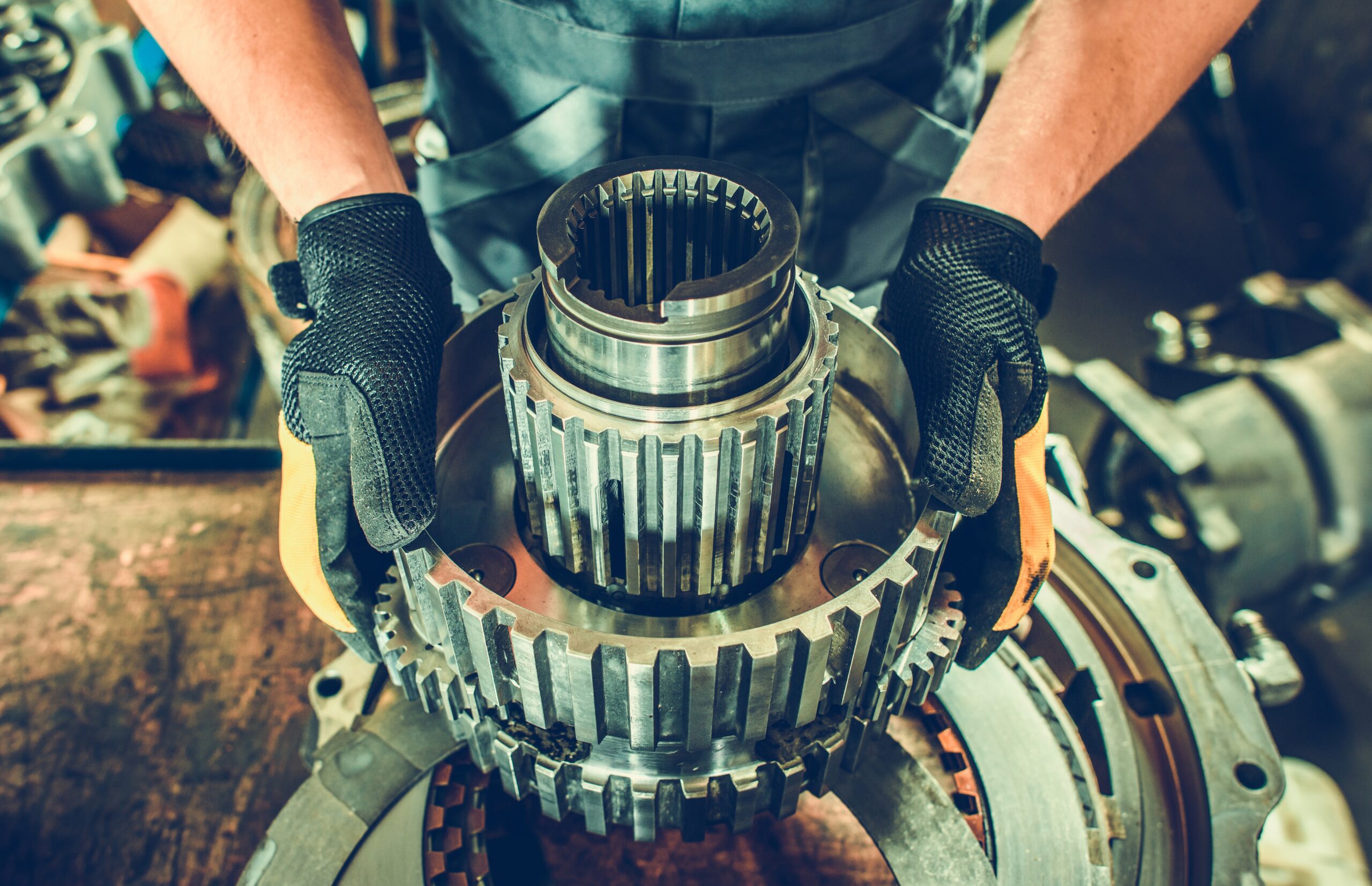
Transmission fluid is one of the most vital yet often overlooked components of your vehicle’s drivetrain. It plays a critical role in keeping your transmission system running smoothly by lubricating moving parts, reducing heat, and enabling gear shifts especially in automatic vehicles. Without the right amount or quality of fluid, your transmission can’t function properly, leading to costly damage over time. Understanding what transmission fluid does and why it’s important is the first step in preventing breakdowns and keeping your car running reliably. Transmission fluid serves multiple purposes. It:
- Lubricates gears and moving parts
- Cools the transmission system
- Enables hydraulic functions in automatic transmissions
- Prevents wear, corrosion, and overheating
In automatic vehicles, low automatic transmission fluid can lead to immediate performance issues. In manual transmissions, the signs may take longer to appear, but the damage can be just as severe.
How Do You Know If Your Transmission Fluid Is Low?
Your vehicle’s transmission relies on fluid to operate smoothly, so knowing when that fluid is low is essential to avoid major repairs. But how do you know if your transmission fluid is low? Whether you’re noticing strange noises, slipping gears, or delayed shifting, these symptoms often signal a drop in fluid levels.
Ignoring them can lead to serious—and costly—damage. In this section, we’ll break down the warning signs so you can catch low transmission fluid early and keep your vehicle running at its best.
-
Delayed Gear Shifting or Slipping Gears
One of the first and most obvious signs of low transmission fluid is erratic shifting. You may notice:
- A delay when shifting from park to drive or reverse
- The vehicle slipping out of gear while driving
- Shaky or jerky transitions between gears
This happens because the fluid isn’t at the right level to generate enough hydraulic pressure.
-
Transmission Overheating
Your transmission needs fluid to stay cool. When levels are low, friction increases, and that leads to heat. This can cause the transmission to overheat, resulting in:
- Burning smells from under the hood
- Dashboard warning lights
- Transmission slipping or stalling
If you ever smell something like burnt toast while driving, it’s a red flag.
-
Unusual Noises
Grinding, whining, or humming sounds while driving can be related to low transmission fluid. These noises may be most noticeable when:
- Shifting gears
- The car is idling
- Driving at low speeds
These sounds typically mean that internal components aren’t being lubricated properly.
-
Visible Fluid Leaks
One of the most common symptoms of low transmission fluid is—you guessed it—leaks.
Transmission fluid is usually bright red, although it can darken to brown as it ages. If you notice red or brown spots under your car, especially near the front or center, it’s time to check the fluid level or bring it in for an inspection.
Schedule a transmission inspection today.
-
Check Engine Light or Transmission Warning Light
Will low transmission fluid cause the check engine light? Yes, it can. While many people associate the check engine light with engine trouble, it’s also linked to the transmission.
If sensors detect abnormal transmission behavior—like slipping, overheating, or poor shifting—they’ll trigger the warning light. Don’t ignore it.
-
Poor Acceleration or Jerky Movement
If your car feels sluggish when accelerating or surges unexpectedly, this could be a sign that transmission fluid levels are low. You may also experience difficulty climbing hills or passing other vehicles.
-
Noisy Neutral
A less commonly discussed symptom is when your car makes noises while in neutral. If you hear clunking or grinding when the vehicle is not in gear, this could signal insufficient fluid lubrication.
What Happens When Transmission Fluid Is Low?
Noticing signs of low transmission fluid is only part of the equation—understanding what those signs mean is just as important. If you’re wondering what’s actually at risk when levels drop, it’s more than just rough shifting or strange noises. The consequences of low fluid can be severe and costly. So, what happens when transmission fluid is low? Let’s break it down.
- Damage to gears and clutch plates
- Complete transmission failure
- Safety issues during driving
Can You Check Transmission Fluid Yourself?
Yes, on most vehicles. If your car has a transmission dipstick:
- Make sure the engine is warm and running.
- Place the car in park or neutral.
- Pull out the dipstick, wipe it clean, reinsert it, and check the level and color.
Fluid should be red or pink—not brown or black. It should also be at the “Full” line. If not, you may need a fluid top-off or complete flush. If you’re unsure, bring it to our experts at LandR Transmissions.
Note: Some newer cars have sealed transmissions. These must be inspected by a professional technician.
Does it Matter what Transmission Fluid I Use?
Yes, the type of transmission fluid you use is critical to the health and performance of your vehicle. Different transmissions require specific fluid types—using the wrong one can lead to poor shifting, overheating, internal damage, or even complete transmission failure. Manufacturers design their transmissions with certain fluid properties in mind, including viscosity, friction modifiers, and cooling capabilities.
To protect your transmission and avoid costly repairs, always:
-
Check your owner’s manual for the correct fluid type
-
Avoid mixing different fluid types
-
Have your fluid serviced by a trusted technician familiar with your vehicle
Using the right transmission fluid isn’t just a recommendation—it’s essential for smooth operation and long-term reliability.
Visit a Transmission Expert in Winston-Salem, NC
If you notice any combination of the above symptoms, the safest course of action is to bring your vehicle to a professional transmission specialist like LandR Transmissions in Winston-Salem. Catching the signs of low transmission fluid early can save your vehicle—and your wallet. From strange noises and shifting issues to visible leaks and dashboard lights, your car gives you clear warnings.
Stay alert, follow your maintenance schedule, and when in doubt, bring it to the pros at LandR Transmissions.
We offer:
- Free diagnostic inspections
- Transmission fluid checks
- Full-service transmission repair and replacement
👉 Book an appointment now and get ahead of costly repairs.
Frequently Asked Questions
Will a Transmission Fluid Flush Fix the Issue?
If your fluid is low due to a small leak or neglect, a flush might help. However, if the transmission is already damaged or overheating frequently, you may need repairs.
Never delay a flush or fill if low fluid has been detected. Over time, neglecting this service can lead to internal damage that costs thousands of dollars to fix.
How Often Should You Change Transmission Fluid?
As a rule of thumb:
- Automatic: Every 30,000–60,000 miles
- Manual: Every 30,000–50,000 miles
Check your owner’s manual for your vehicle’s specific service interval.
Will Low Transmission Fluid Cause the Check Engine Light?
Yes, low transmission fluid can trigger the check engine light. Modern vehicles use sensors to monitor transmission performance, and if the fluid is too low, it can cause issues like overheating, gear slipping, or poor shifting—all of which may prompt the system to illuminate the check engine light. While this light doesn’t always mean a transmission problem, it’s a key warning sign that something needs attention. If it comes on and you’re experiencing low transmission fluid symptoms, it’s important to have your vehicle inspected right away.
Sounds of Low Tranmission Fluid
Low transmission fluid can cause whining, grinding, clunking, or buzzing noises—especially when shifting or accelerating. These sounds signal increased friction and potential damage. Check fluid levels or have your transmission inspected right away.