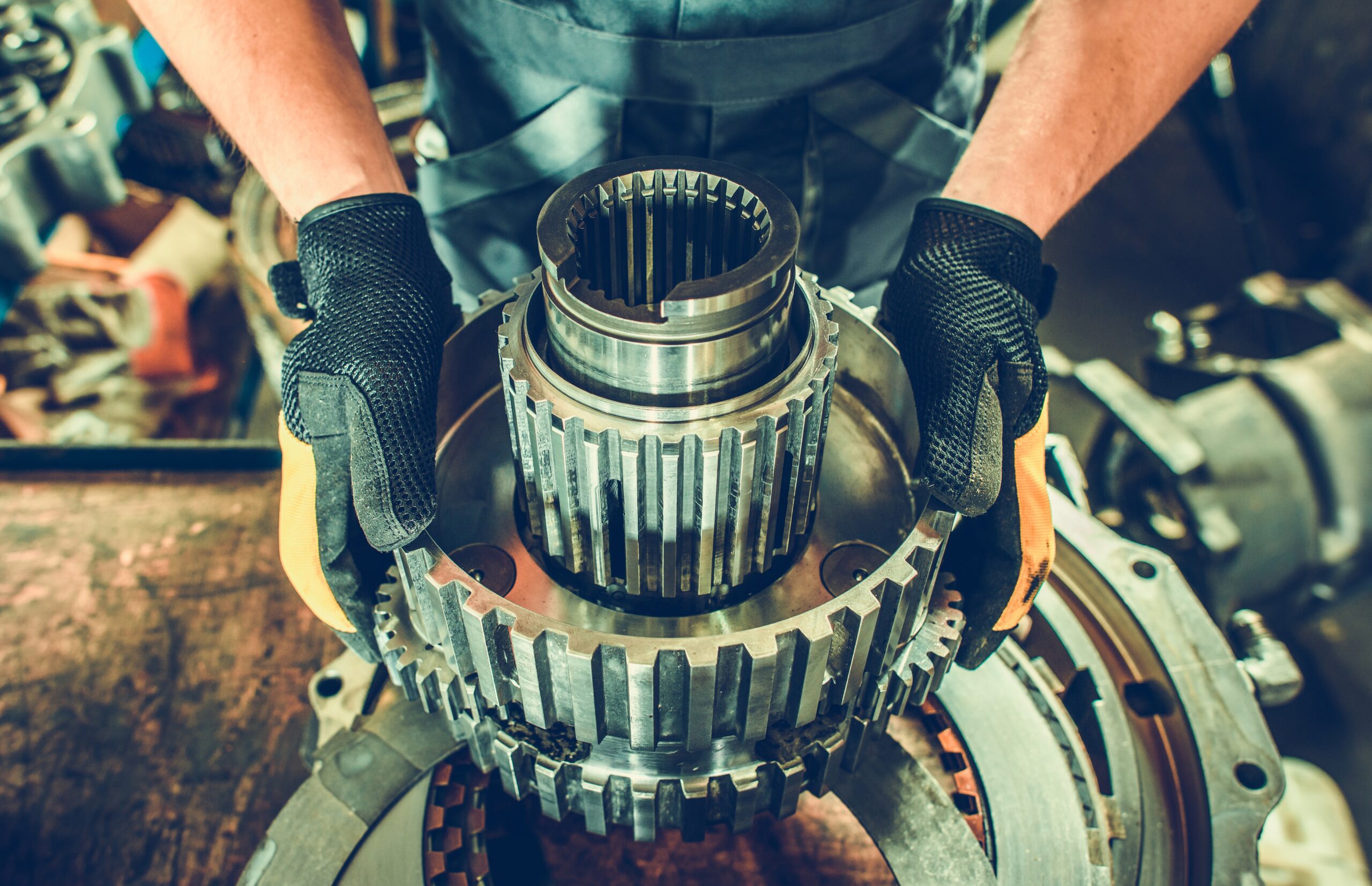
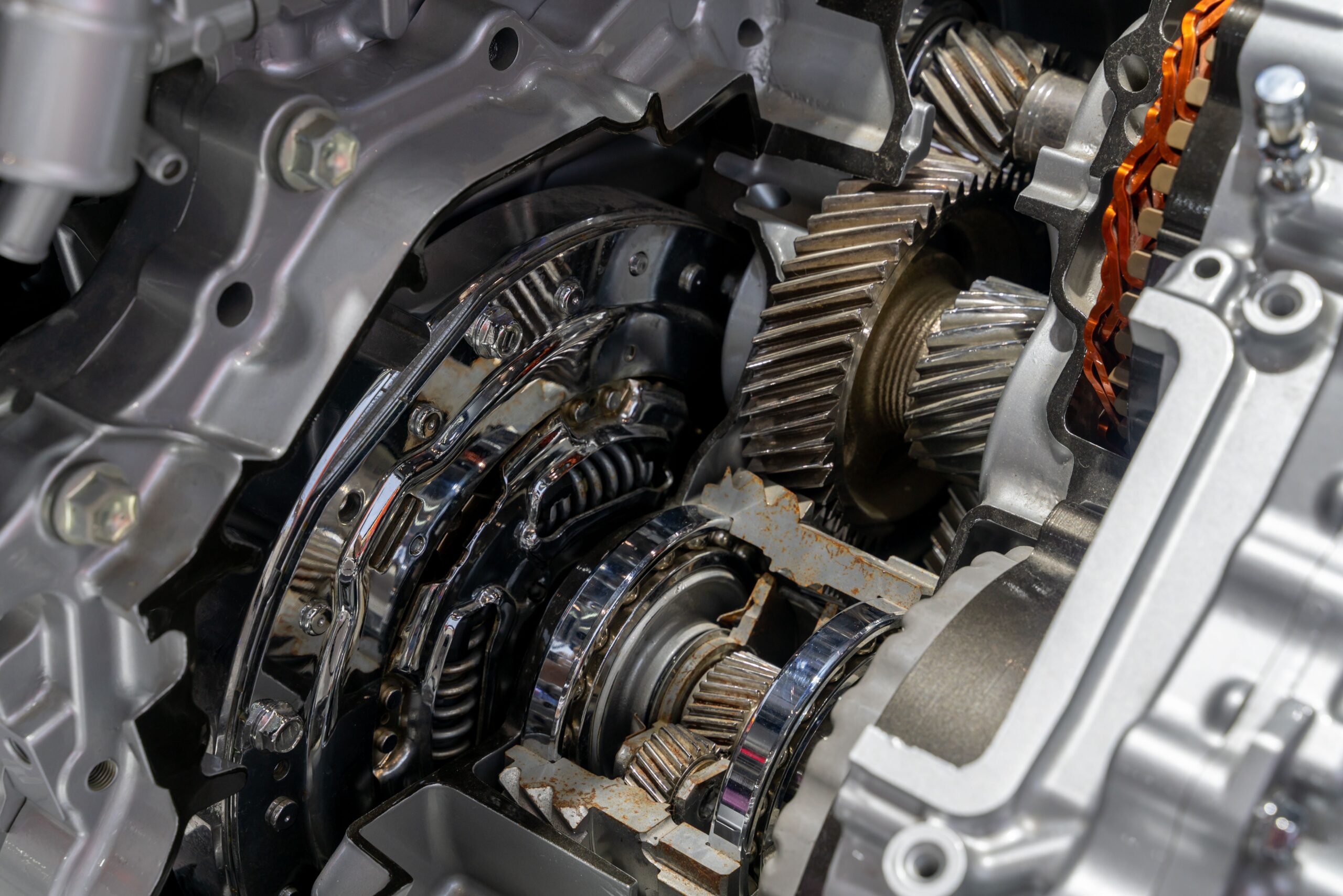
Your clutch is the handshake between your engine and your transmission. Every time you press the pedal, the clutch disc separates from the flywheel so you can change gears without grinding the drivetrain apart. It is a wear item by design, which means every manual vehicle on the road will eventually need clutch service. The question is whether you catch it early or find out on the side of Peters Creek Parkway with a pedal that goes straight to the floor.
What Are the First Signs of a Failing Clutch?
The earliest symptom is usually slipping. You press the accelerator, the tachometer climbs, but the vehicle does not pick up speed the way it should. Slipping is most obvious in higher gears or when climbing a hill with a load in the bed. Another common sign is a change in where the clutch grabs. If the pedal used to engage near the floor and now engages near the top of its travel, the friction material has worn thin.
Noise tells a story too. A chirping or rattling sound that disappears when you press the pedal often points to a worn throwout bearing. Grinding during shifts can mean the clutch is not fully disengaging, which is frequently a hydraulic problem rather than a worn disc. A burning smell after stop and go traffic on Stratford Road usually means the disc is overheating from excess slippage.
What Causes a Clutch to Wear Out Early?
Driving habits matter more than mileage. Riding the pedal, holding the vehicle on a hill with the clutch instead of the brake, and towing beyond the vehicle rating all shorten clutch life dramatically. Leaks are the other major culprit. A failing rear main seal or a leaking master or slave cylinder puts fluid on the friction surface, and once that happens no amount of careful driving will save the disc.
Should You Repair or Replace the Clutch?
Because the transmission has to come out to reach the clutch, labor is the largest part of the bill. That is why a proper repair almost always means replacing the disc, pressure plate, and throwout bearing together, and resurfacing or replacing the flywheel while access is easy. Replacing only the cheapest failed part means paying the same labor again in a year. A quality clutch job on a well maintained vehicle should last well past one hundred thousand miles.
What Happens During a Professional Clutch Repair?
A proper repair starts with diagnosis rather than assumption. Many pedal complaints turn out to be hydraulic, and a master cylinder replacement costs a fraction of a full clutch job. When the transmission does come out, a good shop inspects the pilot bearing, input shaft splines, seals, and mounts while everything is exposed. Reassembly requires correct alignment and torque specifications, then a bedding in period so the new friction surfaces mate properly.
Talk to L&R Transmissions About Your Clutch
L&R Transmissions has served Winston-Salem drivers for more than thirty years with ASE certified technicians, transparent upfront pricing, and a three year or fifty thousand mile warranty on our work. If your clutch is slipping, chattering, or dragging, do not wait for it to strand you and take the flywheel with it. Call us at (336) 760-9055 or contact us online and schedule your free evaluation today.